Pawprints at Home: How Dog Breeds Influence Everyday Living in the UK
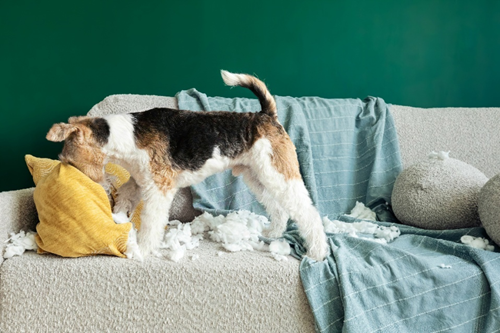
We surveyed 1,000 dog owners across the UK to find out which breeds are most likely to cause chaos, and which ones keep their paws clean, mostly.
As a nation of dog lovers, the majority of us can agree they bring us joy, love, and companionship… but dogs also bring muddy pawprints, chewed cushions, and the occasional “what happened to my table leg?” moment.
Whether you’re a seasoned dog owner or a first-time pup parent, here’s what we uncovered about how dogs shape everyday life in UK homes - and how to keep your furniture safe.
Life With Dogs: The Trade Offs We Embrace
It turns out that keeping a home pristine when you’ve got a furry friend is no small task.
A whopping three in five (60%) of UK dog owners have experienced some kind of damage caused by their dog, so if your sofa looks more like a chew toy than a seat, you’re not alone.
Which furnishings are most affected by everyday life with a dog
Here’s what dog owners across the UK said are the items most likely to show wear and tear in their home:
- Soft furnishings (cushions, blankets, carpets, curtains) — 40%
- Upholstered furniture (sofas, ottomans, chairs, beds) — 39%
- Wooden furniture (wardrobes, table legs, drawers) — 35%
- Shoes — 28%
- Glass furniture (mirrors, doors, tables) — 22%
- Clothing — 13%
- Wires — 9%
- Towels — 8%
Soft furnishings are the biggest victims, and if you’ve ever tried to remove muddy pawprints from a cream carpet, you’ll know exactly why.
Wooden furniture such as wardrobes, chair legs, tables and drawers is also a target for dogs, as many have left their mark on these.
The Naughty List: Breeds Most Likely to Cause Mischief
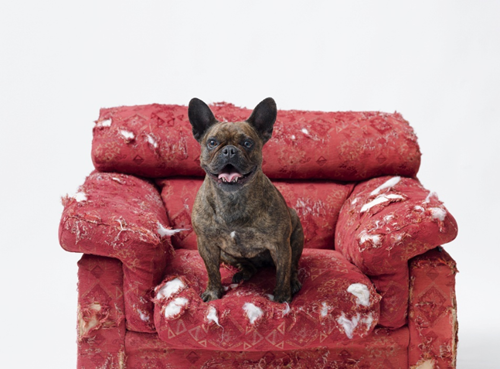
Some dogs just can’t resist a bit of mischief. Our study revealed the breeds that topped the charts for causing mayhem:
- French Bulldog – 76% of owners reported damage
- Dachshund – 75%
- Schnauzer – 75%
- Beagle – 74%
- Boxer – 73%
- Rottweiler – 73%
- Golden Retriever – 71%
- Border Terrier – 71%
- English Springer Spaniel – 69%
- Labrador – 62%
The “Good Dogs” Who Keep It Clean
Our study revealed that not all pups are homewreckers. Some breeds seem to be on their best behaviour, most of the time.
Breeds at the top of the “Good Dog” leaderboard are:
- West Highland White Terrier – 44% of owners reported damage
- Cavalier King Charles Spaniel – 50%
- Yorkshire Terrier – 50%
- Cockapoo – 54%
- Border Collie – 57%
So, if you’re house-proud but still want a furry friend, these breeds might be your safest bet. These dogs are all small to medium sized, have good adaptability to indoor living and are highly people orientated.
Why Do Dogs Damage Furniture?
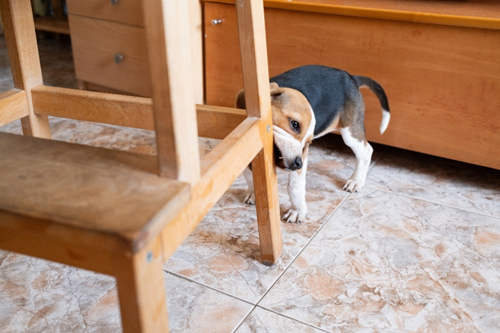
Dogs don’t usually set out to ruin your home — there’s often a reason behind the ruckus.
Common causes include:
• Boredom – Dogs left alone for long stretches often find “creative” ways to entertain themselves.
• Teething – Puppies chew to soothe sore gums.
• Anxiety – Separation anxiety can lead to destructive behaviour.
• Curiosity – Some breeds just love to explore textures and smells.
Paw-Proofing Your Home: Tips to Protect Furniture, Floors and More
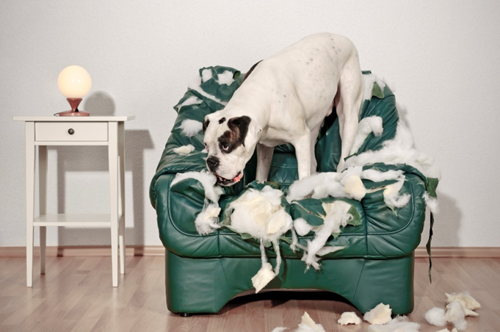
Thankfully, there are plenty of ways to keep your house dog friendly (and your sanity, too):
1. Create a Dog Zone
One of the best ways to protect your furniture is to give your dog their own dedicated space. This could be a cosy corner of the living room, a built in dog bed under the stairs, or even a whole room if you’ve got the space such as a utility room. A more tailored approach with custom dog units such as pull-out drawers and water bowls can cater to your pet’s needs.
Fill it with comfy blankets, a dog bed, and plenty of chew-approved toys such as rubber bones, puzzle feeders, and tough plush toys can keep them entertained for hours. Fitted cabinets can enable these to be tidied away easily.
Safe spaces also teach them where playtime is encouraged, and where the furniture is off-limits. If your pup tends to wander, use baby gates or playpens to gently section off their zone. Over time, they’ll learn that their space is where the fun belongs.
2. Dog-Proof Key Areas
Our study reveals about over one in six (16%) of owners have rearranged or protected parts of their home.
For those that haven’t yet, start by moving fragile or valuable items out of reach and store shoes and bags in cupboards or elevated racks. Use protective covers or washable slipcovers for your sofa and chairs.
For wooden furniture, a quick coat of pet-safe bitter spray can make chair legs far less appealing. If your dog loves to dig or scratch, durable rugs and mats can protect your floors whilst still keeping your home stylish.
3. Keep It Clean
No matter how well-trained your dog is, some mess is inevitable. Muddy paws, shedding fur, and the occasional slobber mark are part of the package. The key is to stay one step ahead with smart cleaning strategies and pet-friendly materials.
Invest in washable throws and covers for your furniture so you can easily toss them in the washing machine. Choose rugs made from durable, stain-resistant fabrics or opt for darker colours and patterns that disguise dirt between cleans. A handheld vacuum or lint roller will be your best friend for picking up hair on the go.
For floors, consider keeping a towel and a paw wash by the door to catch dirt before it spreads through the house. Regular grooming also helps reduce shedding and keeps your dog more comfortable, too. With the right setup, you can maintain a fresh, stylish home and enjoy all the love and chaos that comes with having a dog.
4. Manage Alone Time
Over a third (36%) of dog owners leave their dogs alone for over 3 hours a day, this can be challenging for some dogs, and they may look for their own ways to stay occupied.
For owners who work long or fixed hours, dog walkers, drop‑in visits or doggy daycare can make a big difference, offering dogs extra exercise, interaction and mental stimulation during the day. Even small changes to a dog’s routine can help reduce boredom and anxiety.
Training also plays a key role. Consistent house training, boundary setting and positive reinforcement can help dogs understand which areas and items are off limits. Many owners find that combining training with enrichment such as puzzle toys, chew safe alternatives and structured play helps dogs settle more comfortably when alone, reducing unwanted wear around the home over time.
Dog expert Samantha Smethurst, from Anubis Grooming Salon said,
“When leaving the house, you can use things like snuffle mats and interactive toys which can give them stimulation but, if you’re leaving them for a long period of time, exercise them first, make sure they are comfortable and well fed so they’ve no need to start chewing down on things.”
Creating a Happy Home for You and Your Dog
Whether your dog is a French Bulldog with a taste for furniture legs or a Cockapoo who couldn’t care less about the couch, it’s all part of the joy and chaos of pet ownership.
With a bit of training, smart home setup, and plenty of love, you can keep your home stylish and your dog happy. Because at the end of the day, muddy pawprints can be cleaned, but the love and companionship are worth it.